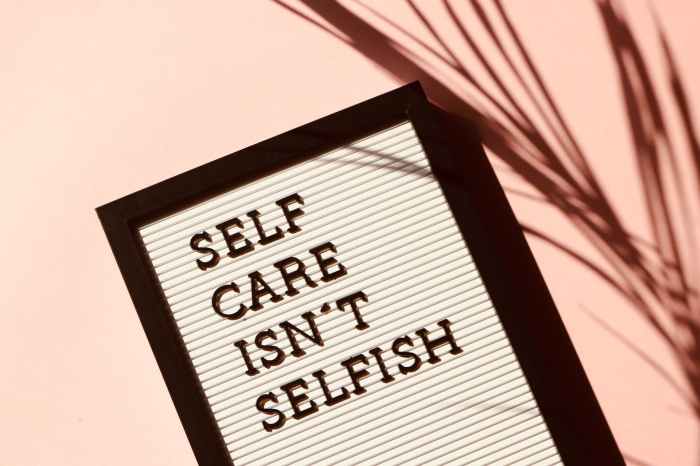
If Not Now, When?

Whenever my clients tell me that after they started feeling better, suddenly they feel worse, I ask them if they’ve been practicing their healthier lifestyle habits including self-care and stress reduction which were helping them feel better. Usually, they say “No.” Most of them tell me they thought they didn’t need to practice any longer because they felt better and just expected it to last without committing themselves to making these changes part of their life. They are truly shocked when they learn that routinely practicing self-care and stress reduction is key to feeling good. But…it is.

Well, this past week, I decided to disregard my own good advice about self-care and managing stress wisely. You’d think after 35 years of advising clients to ABSOLUTELY NOT stop practicing their stress reducing skills once they began feeling good, I’d know better. Wrong!!! When I realized I’d fallen back into my lifelong habit of overdoing and not taking enough time to rest and recharge, I knew it was time to make a different choice. Einstein said, “Insanity is doing the same thing over and over and expecting a different outcome.”

I reminded myself that if I wanted to keep feeling better, I needed to slow down, rest more and push myself less. After all, I’m still recovering from my temporary hearing loss but as human beings we are creatures of habit and old habits die hard. But, we can learn new habits that support our health and well-being if we choose to. Over time, these healthier choices can become our way of responding rather than our old unhealthy ones. With attention, effort and practice, change is possible. If not now, when

Here’s some podcasts and YouTube videos of exercises to help get you started: https://drdianesanford.com/media/podcasts/ https://drdianesanford.com/media/youtube/

Stress Getting the Best of You? Just Breathe.

Breathing-Medium-1080x675When first introduced to breathing as a relaxation technique, we wonder how something so simple can work.  My favorite story about “breathing” was finding my 10 year-old daughter playing the deep breathing/relaxation CD I’d made to a friend who was spending the night  and having trouble sleeping.  She said, “Just listen–you’ll feel better.”  Fifteen minutes later, they were both asleep.

Deep breathing works so well because we spend so much time physically  and emotionally stressed.  Psychologist Alice Domar states that the average US adult experiences the fight or flight response 50 times daily.  While adaptive for cave-dwelling ancestors running from saber-toothed tigers, the flood of stress chemicals through our bodies makes us edgy, irritable, and more vulnerable to physical and emotional health problems.  Likewise, it results in short, shallow breathing which fuels rather than diminishes the stress response.

The busier we are, the truer this is, especially for moms with small children who already feel physically and emotionally depleted.  The more rundown we are, the more likely the fight-flight response is to trigger.  Research has shown that five minutes of deep breathing several times a day leads to lower stress hormones by day’s end.  Why wait?  If we can delay bedtime to pick up the house, certainly we can take 5 minutes, 3 times a day, to improve our physical and emotional well-being.  Although it may feel strange at first to be still and breathe deeply, it feels good.

This week’s mantra: “I always have my breath to destress.”

Click here for my “Simply Breathe” YouTube exercise

Article from Well & Good on “4 Yoga Poses and Breathing Exercises that can help you get better ZZZ’s”

What I Learned This Weekend

Today I had the privilege of gathering with 10 other women at the Midwest Mind Body Health Center for a class I taught on Mindful Stress Reduction. The class focusses on different practices which ease stress and improve mind, body & spirit health and well-being through mindfulness and meditation. Each time I teach, I learn so much and today was no exception. Although many of the women were going through multiple losses including the loss of loved ones, their light was bright and illuminating.

Here are some of the insights they shared.

  1. Even in the midst of sorrow, practice gratitude. There is always something to be thankful for and while it won’t take your sadness away, it reminds you of life’s goodness.
  2. Sometimes what you need most is to stop and take care of yourself. Let the laundry sit unfolded or whatever you think you “need to do” before you stop to recharge. Sit still or do what nourishes you first.
  3. Take time to be in nature. Go outside with your family and turn off the indoor distractions. Reconnect with each other. Tune in to the simple pleasure of being together.
  4. You are not alone. Everyone is affected by life’s ups and downs. Stop feeling bad because it’s only you. It isn’t.
  5. Be prepared to make mistakes and fall in the same hole over and over. Become aware of the control you have to make a different choice. Even if you still fall in, notice where you are and how to get out. Then, learn to walk around the hole and finally, walk down a different street.
  6. It’s important to grieve the losses you experience in life. This is how you heal. They won’t go away if you deny them.
  7. In spite of what others want from you, be willing to say no especially if it’s best for you. Leave others to deal with the unpleasant circumstances they create.
  8. We create our own suffering. Learn to set aside unpleasant thoughts, feelings and sensations, by finding activities you enjoy rather than worrying about the future or regretting the past. Life happens in the present moment. Embrace it.

For your homework this week, think about what you’ve learned this year which has helped you grow mind, body & spirit. Then, let us know. Remember, we are here.

Namaste